Unlocking Umami: Your Guide to the Best Soy Sauce Substitutes
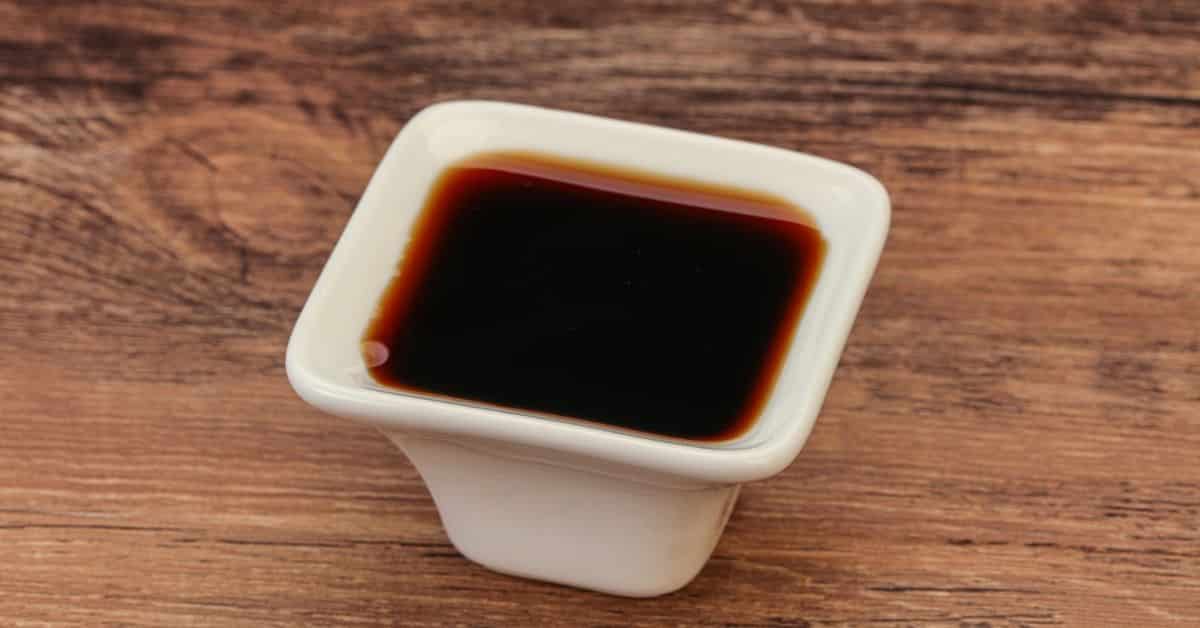
Soy sauce, with its signature reddish-dark brown hue, deeply savory profile, and potent umami punch, is a foundational ingredient in countless cuisines worldwide. From classic East Asian stir-fries, marinades, and dipping sauces to adding depth in unexpected dishes like Swedish meatballs or fusion hummus, this fermented condiment is a true pantry hero. But what happens when you're faced with a soy allergy, a wheat intolerance, a desire to reduce sodium, or simply an empty bottle when a recipe calls for it? Fear not! A world of delicious and effective **substitutes for soy sauce** awaits, ready to impart bold, unique flavors to elevate your meals.
The need for alternatives extends beyond simple convenience. For those with specific dietary restrictions, such as allergies to soy or wheat, finding suitable replacements is crucial for enjoying flavorful cooking without compromise. Traditional soy sauce is typically made from a fermented paste of soybeans, roasted grains (usually wheat), salt, and water, a process that has been perfected over centuries, dating back to ancient China. Modern production can also involve acid hydrolysis, breaking down soybeans and wheat molecules. Understanding its core components and flavor profile – extremely salty, savory, and rich in umami – is the first step to finding a worthy stand-in.
What Makes Soy Sauce So Irresistible?
Before diving into replacements, let's appreciate what makes soy sauce so special. At its heart, soy sauce is an "umami bomb" – it delivers that elusive fifth taste sensation: savory deliciousness. This characteristic comes from the fermentation process, which breaks down proteins into amino acids. Beyond umami, it offers a crucial balance of saltiness, a hint of sweetness, and a touch of tang, all contributing to its incredible versatility. It's a flavor enhancer, a coloring agent, and a cornerstone for building complex flavor profiles in dishes.
Its applications are vast:
- Dipping Sauce: For sushi, dumplings, spring rolls.
- Marinades & Brines: Tenderizing meats and infusing them with flavor.
- Stir-Fries & Noodle Dishes: Providing the savory base.
- Glazes & Sauces: Adding shine and depth.
- Flavor Enhancer: Boosting soups, stews, and even salad dressings.
This versatility is precisely why finding the right **substitutes for soy sauce** is so important – you want an alternative that can perform effectively in various culinary roles.
Top-Tier Soy Sauce Substitutes for Every Need
When you're looking for an alternative, consider the primary function soy sauce plays in your dish and any dietary considerations. Here are some of the best options available:
Tamari: The Gluten-Free Sibling with a Richer Flavor
Often mistaken for soy sauce due to its almost identical appearance, tamari is a distinct product with its own unique characteristics. Tamari is a Japanese condiment traditionally made as a byproduct of miso paste fermentation. The key difference? While conventional soy sauce includes wheat, tamari is typically made without it, making it an excellent choice for individuals with celiac disease or gluten sensitivity. However, always double-check the label, as some brands may contain trace amounts of wheat.
Flavor Profile & Use: Tamari offers a more robust, fuller, and slightly less salty flavor than many standard soy sauces, with a thicker consistency. It delivers an intense umami punch. It can be swapped interchangeably with soy sauce in most recipes at a 1:1 ratio. Use it in stir-fries, marinades, dressings, and dipping sauces for a rich, deep flavor that doesn't compromise on gluten-free needs.
Liquid Aminos: Milder, Sweeter, and Allergy-Friendly
Liquid aminos come in two main varieties, both excellent **substitutes for soy sauce**, particularly for those watching their sodium intake or avoiding specific allergens:
- Soy Liquid Aminos: Derived from non-fermented soybeans, broken down into amino acids using an acid. Similar to tamari, soy liquid aminos are wheat-free and gluten-free. They are typically milder and slightly sweeter than traditional soy sauce, offering a less intense savory flavor. This makes them a great option if you find regular soy sauce too strong or too salty.
- Coconut Aminos: For those with a soy allergy, coconut aminos are a game-changer. Made from fermented coconut sap, salt, and water, they are entirely soy-free and gluten-free. Coconut aminos have a slightly sweeter and milder flavor profile, with a less pronounced umami note compared to soy sauce.
Flavor Profile & Use: Both types of liquid aminos have a similar appearance and texture to soy sauce and can generally be used as a 1:1 replacement. Their milder flavor means you might need to use a bit more or enhance with other seasonings depending on the dish. They are fantastic in stir-fries, marinades, salad dressings, and as a dipping sauce. Coconut aminos are especially beneficial for a comprehensive allergen-free solution. For more details on soy-free options, you might find
Soy-Free Solutions: Your Guide to Flavorful Soy Sauce Swaps very helpful.
Maggi Seasoning Sauce: The Concentrated Umami Enhancer
Maggi seasoning sauce is another dark, savory liquid that can serve as a soy sauce-like condiment, though it has a distinct flavor profile. Unlike soy sauce, its main ingredient is wheat, making it unsuitable for gluten-free diets. However, it is an incredible flavor enhancer, packed with concentrated umami.
Flavor Profile & Use: Maggi sauce offers a deep, savory, slightly malty, and salty taste that is intensely umami-rich. It's often used sparingly, similar to how you would use a concentrated bouillon or stock. It's fantastic for boosting the flavor of gravies, soups, stews, and savory dishes where a powerful umami punch is desired. While it can add a similar depth to soy sauce, its flavor is not an exact match, so use it judiciously and taste as you go.
Ponzu Sauce: The Tangy, Citrusy Delight
Ponzu sauce is a traditional Japanese dipping sauce known for its unique tangy and savory character. Its base typically includes rice vinegar, mirin (sweet rice wine), bonito flakes (dried fermented tuna), and a generous infusion of citrus fruit, often yuzu, lemon, or lime.
Flavor Profile & Use: What sets ponzu apart is its vibrant citrus tang, which provides a refreshing counterpoint to its savory depth. Some varieties of ponzu also contain soy sauce as an ingredient, so if you're avoiding soy, always check the label. It's not a direct 1:1 replacement for all soy sauce applications, but it excels as a dipping sauce for tempura, dumplings, grilled meats, poultry, and fish. It also makes a fantastic dressing for salads or a finishing sauce for delicate dishes. It's particularly useful when you want to introduce a bright, zesty element alongside the umami.
Beyond the Basics: Other Creative Soy Sauce Alternatives
Sometimes, a direct swap isn't necessary, and other ingredients can provide the specific elements you're missing from soy sauce.
- Fish Sauce: Predominantly used in Southeast Asian cuisine, fish sauce is an incredibly potent, salty, and umami-rich condiment made from fermented fish. A little goes a very long way! While its flavor is distinct and can be quite pungent, it excels at adding deep savory notes to marinades, stir-fries, and curries. Not suitable for vegetarians or vegans.
- Worcestershire Sauce: This complex British condiment boasts a savory, tangy, sweet, and slightly spicy profile, often containing ingredients like anchovies, vinegar, molasses, and tamarind. It can add a similar depth of flavor to soy sauce in certain contexts, particularly in marinades, stews, and savory sauces. Be aware that many Worcestershire sauces contain anchovies (not vegetarian) and sometimes gluten, so check labels for dietary needs.
- Mushroom-Based Umami Broths or Concentrates: For a vegetarian or vegan option, a deeply brewed mushroom broth (especially from dried shiitake or porcini mushrooms) can provide a rich, earthy umami base. You can reduce these broths to a concentrate or find mushroom-based umami powders or pastes, which are excellent for adding depth to soups, gravies, and sauces.
- Salt + Umami Boosters: If you're simply looking to replicate the saltiness and umami, you can combine table salt (or sea salt) with other umami-rich ingredients. Thinning a small amount of miso paste (check for soy/gluten if necessary) with water can create a savory, salty liquid. Nutritional yeast can also add a cheesy, umami depth, especially in vegan dishes.
Choosing the Right Substitute: Tips for Success
Navigating the world of **substitutes for soy sauce** means making informed choices that best suit your recipe and dietary needs.
- Identify the Primary Role: Is soy sauce primarily for saltiness, umami, color, or a specific tangy/sweet flavor profile in your dish? This will help narrow down your options.
- Consider Dietary Restrictions: This is paramount. If you have a soy allergy, coconut aminos are your best bet. For gluten intolerance, tamari or liquid aminos (soy or coconut) are excellent. If sodium is a concern, milder liquid aminos often have lower sodium content.
- Taste and Adjust: Substitutes rarely taste identical. Start with a smaller amount than the recipe calls for, especially with potent options like fish sauce or Maggi seasoning, and then add more to taste. You might need to balance flavors with additional salt, a pinch of sugar, or a squeeze of citrus.
- Consistency Matters: Some substitutes are thicker (tamari) or thinner (some liquid aminos) than conventional soy sauce. This might slightly affect the texture of your sauce or marinade, though usually not significantly.
- Explore New Flavors: Don't just aim for an exact replica. Embrace the unique characteristics each substitute brings. Ponzu, for instance, offers a delightful tang that soy sauce doesn't. You might discover a new favorite flavor profile for your dishes!
For more insights on enhancing your meals with various savory alternatives, be sure to read
Elevate Your Meals: Top Soy Sauce Substitutes for Umami Boost.
Conclusion
The absence of soy sauce, whether due to dietary restrictions or an empty pantry, doesn't mean sacrificing flavor. The diverse array of **substitutes for soy sauce** offers exciting opportunities to explore new tastes and accommodate various needs without missing out on that crucial umami richness. From the robust, gluten-free power of tamari to the versatile, allergen-friendly liquid aminos, and the tangy zest of ponzu, there's a perfect alternative waiting for every dish. So, next time you reach for that familiar dark bottle and find it gone, or wish to cater to specific dietary needs, confidently experiment with these fantastic replacements and continue to elevate your culinary creations.