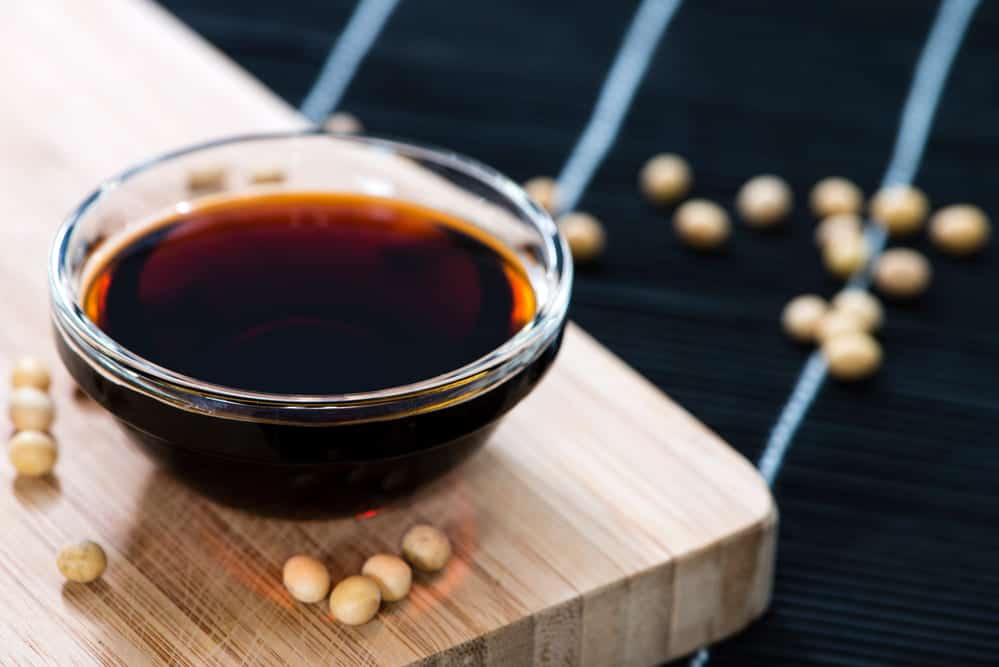
Soy sauce is a true culinary MVP. Its distinctive reddish-dark brown hue and unmistakable savory, salty, and umami profile make it an indispensable ingredient in countless kitchens worldwide. From the delicate balance of a dipping sauce to the foundational flavor of a stir-fry, and even as a secret weapon in unexpected dishes like Swedish meatballs or hummus, soy sauce delivers an unparalleled depth of flavor. But what happens when you're out of stock, have a dietary restriction, or simply want to explore new flavor dimensions? Fear not, because the world of culinary condiments offers a fantastic array of substitutes for soy sauce that can elevate your meals in unexpected ways.
Whether you're navigating a soy allergy, a gluten intolerance, or just looking to experiment, understanding the characteristics of various alternatives is key. Let's dive into some of the best replacements that can bring a bold, unique flavor to your dishes, ensuring your culinary adventures never miss an umami beat.
Understanding the Essence of Soy Sauce: What Are We Replacing?
Before we explore alternatives, it's helpful to understand what makes soy sauce so unique. Traditionally, it's a fermented product of soybeans, wheat, salt, and water, often involving a mold called kōji. This fermentation process is responsible for its complex, savory taste and rich umami notes. Modern production can also involve acid hydrolysis, breaking down soybeans and wheat with high acid concentrations. The result is a powerful flavoring and coloring agent that, despite its intensity, is remarkably versatile.
When seeking a substitute, we're looking for ingredients that can offer a similar savory depth, a touch of saltiness, and that coveted umami punch, even if their other flavor characteristics (sweetness, tanginess) vary. The goal isn't always a perfect replica, but rather a delicious and functional alternative.
Top Substitutes for Soy Sauce: A Flavorful Roster
The good news is that there's a substitute for almost every need and preference. Here are some of the most popular and effective options, categorized by their primary benefits and flavor profiles:
Gluten-Free & Soy-Free Alternatives
For those with specific dietary needs, these options are lifesavers, offering comparable flavor without the common allergens.
- Tamari: The Gluten-Free Cousin
Often mistaken for regular soy sauce due to its similar appearance, tamari is distinct. It's traditionally made with fermented miso paste and contains little to no wheat, making it an excellent gluten-free choice (always check labels to confirm wheat-free status, as some brands may include a small amount). Tamari boasts a richer, bolder, and often less salty flavor than conventional soy sauce, with a slightly thicker consistency. Its robust profile makes it a fantastic 1:1 replacement in stir-fries, marinades, dipping sauces, and noodle dishes, offering a deeper umami punch. - Liquid Aminos (Soy-Derived): Milder & Wheat-Free
Liquid aminos, like tamari, are derived from soybeans but are processed differently. Instead of fermentation, non-fermented soybeans are broken down into amino acids using an acid. This results in a condiment that is typically milder and slightly sweeter than soy sauce. Crucially, soy-derived liquid aminos are wheat-free and gluten-free, making them suitable for those avoiding wheat. Their appearance, flavor, and texture are similar enough to soy sauce that they can be swapped interchangeably in many recipes, particularly in stir-fries and dressings. - Coconut Aminos: The Soy-Free Champion
For individuals with a soy allergy, Soy-Free Solutions: Your Guide to Flavorful Soy Sauce Swaps are essential, and coconut aminos are often at the top of the list. Made from fermented coconut sap, salt, and water, coconut aminos offer a fantastic soy-free and gluten-free alternative. They are noticeably milder and sweeter than soy sauce, with a subtle coconut undertone that usually dissipates during cooking. While not an exact flavor match, they provide a lovely savory depth and can be used as a 1:1 replacement, especially in recipes where a slightly sweeter profile is welcome. They are also often lower in sodium, which can be a bonus for some.
Umami-Rich & Savory Boosters
These options deliver a strong savory kick, though their flavor profiles diverge more significantly from traditional soy sauce, offering exciting new dimensions.
- Maggi Seasoning Sauce: Distinctive Savory Enhancer
Maggi seasoning sauce is another condiment often compared to soy sauce for its dark color and intense savory, umami flavor. While it is wheat-based (meaning it's not gluten-free), it offers a distinct, concentrated flavor that enhances many savory dishes. Unlike soy sauce, its primary ingredient is often wheat protein, giving it a unique aroma and taste. It's an excellent flavor enhancer in soups, stews, marinades, and as a finishing sauce, though its intense flavor means a little goes a long way. - Worcestershire Sauce: Complex & Tangy Fermentation
While not an Asian condiment, Worcestershire sauce is an incredible substitute for adding savory depth and umami. It's a fermented condiment made from a complex blend of ingredients like vinegar, molasses, anchovies, tamarind extract, onions, garlic, and spices. Its flavor is robust, tangy, sweet, and savory all at once. It's a fantastic choice for marinades, meat dishes, stews, and even Bloody Marys, bringing a rich, dark flavor. Because of its strong personality, start with half the amount of soy sauce called for and adjust to taste. - Fish Sauce: The Southeast Asian Umami Bomb
Common in Southeast Asian cuisine, fish sauce is pure umami. Made from fermented anchovies or other fish and salt, it has a pungent aroma when raw, but transforms into a deep, savory, and well-rounded flavor when cooked. It's salty and intensely savory, making it an excellent addition to stir-fries, curries, marinades, and dipping sauces. Use sparingly and taste as you go, as its flavor is very concentrated and salty. It's a great option for adding that indescribable savory depth where soy sauce might typically be used.
Tangy & Bright Alternatives
For dishes that can benefit from a citrusy zest alongside their savory notes, these substitutes shine.
- Ponzu Sauce: Citrusy & Umami-Rich
Ponzu sauce is a Japanese citrus-based sauce that is fantastic for dipping, dressings, and light marinades. It typically combines rice vinegar, mirin (sweet rice wine), bonito flakes (dried, fermented, and smoked skipjack tuna), and citrus fruits like yuzu, sudachi, or lemon. The result is a bright, tangy, and savory sauce with a delicate umami undertone. While it won't replicate the dark, intense saltiness of soy sauce, it offers a refreshing alternative, especially with grilled meats, poultry, fish, and dumplings. You can also find ponzu variations that are soy-free.
Choosing Your Perfect Substitute: Tips & Considerations
With so many excellent Tamari, Aminos & More: Best Soy Sauce Substitutes Explored, how do you decide which one is right for your dish? Here are a few practical tips:
- Consider the Flavor Profile: Think about the overall taste you want to achieve. Do you need something purely savory, or can your dish benefit from sweetness, tanginess, or a hint of fruit?
- Assess Dietary Needs: Prioritize gluten-free or soy-free options if allergies or sensitivities are a concern. Coconut aminos are your best bet for soy-free, while tamari and soy-derived liquid aminos are great for gluten-free.
- Application Matters: A dipping sauce might require a different substitute than a long-cooked marinade or a stir-fry. Ponzu is excellent for dipping, while Worcestershire or fish sauce can stand up to cooking.
- Adjust for Saltiness: Many substitutes vary in their sodium content. Liquid aminos are often milder, while fish sauce is intensely salty. Always start with less than a 1:1 ratio if you're unsure, and taste as you go, adding more if needed.
- Watch the Color: Some substitutes, like coconut aminos, are lighter in color than traditional soy sauce, which might affect the visual appeal of your dish.
Practical Applications and Recipe Adjustments
When swapping soy sauce for a substitute, a good rule of thumb is to start with a 1:1 ratio, especially for tamari and liquid aminos. However, always taste and adjust. For stronger or tangier options like fish sauce or Worcestershire, begin with half the amount and gradually add more until you reach the desired flavor balance. For ponzu, consider its acidity and balance it with other savory elements in your dish.
Experimentation is key! You might find that a blend of substitutes works best, perhaps combining the sweetness of coconut aminos with a dash of fish sauce for added depth, or using Maggi seasoning to bolster the savory notes of a stir-fry that traditionally calls for soy sauce.
The absence of soy sauce, whether by choice or necessity, doesn't have to mean compromising on flavor. The diverse array of substitutes for soy sauce available today offers a world of culinary possibilities. From gluten-free tamari to soy-free coconut aminos, and from the tangy zest of ponzu to the deep umami of fish sauce, each alternative brings its own unique character to the table. Embrace these flavorful stand-ins, experiment with different combinations, and discover how they can elevate your everyday meals and inspire new culinary creations. Your palate (and dietary needs) will thank you!
